CWOB: Maternal Health in The Great Lakes Region
Risks of Poor Maternal Health: Biological Determinants
Complications from childbirth and pregnancy are a leading cause of death and disability among women who are of reproductive age in the Great Lakes Region of Africa. This “silent epidemic” takes the lives of millions of mothers, newborn babies and children each year from causes that are
often both preventable and treatable. According to the World Health Organization (WHO), approximately 80% of maternal deaths are due to direct obstetric causes which include:
Hemorrhaging Hemorrhaging during any stage of pregnancy can be detrimental to the health and safety of both the mother and child. While vaginal bleeding during the first three months of pregnancy is a relatively common occurrence, if this bleeding is severe then it may require professional assistance and treatment. Bleeding during the last six months
of a nine-month pregnancy is abnormal, and should be examined by a trained health care provider. When bleeding occurs after the twenty-eighth week of pregnancy it should be considered an emergency requiring immediate attention. Unsafe Abortions Maternal mortality due to unsafe abortions is common amongst refugees in the Great Lakes region. The illegal nature of abortion coupled with the refugee status of pregnant women forced to flee to neighbouring regions often leaves little alternatives when faced with an unwanted or dangerous pregnancy. Social and cultural norms around
pregnancy and abortion often prevent women from seeking help, and desperation often leads to drastic measures to terminate the pregnancy. Lack of education about the risks involved in performing an abortion inevitably increases maternal mortality rates. Obstetrics Indirect obstetric causes are often the result of a weakened immune system in pregnant women which makes them more susceptible to illness and infection. Adequate nutrition during pregnancy is essential to preventing increased risk of susceptibility. Studies of maternal mortality in the Great Lakes report that cerebral malaria is the single most important
cause of death. In Tanzania, malaria occurring in areas of high endemicity is often associated with maternal anemia and low birth rate whereas in areas of low endemicity malaria is usually linked to acute maternal illness, maternal death, stillbirths, and abortions. HIV/AIDS Many women are unaware of their HIV/AIDS status which makes it difficult to assess the extent to which HIV/AIDS impacts maternal mortality. Of the 40 million people that are reported to live with AIDS, two thirds of this
population is based in sub-Saharan Africa. Approximately 10% to 20% of pregnant women in the major capital cities of the countries in this region are infected with HIV, with HIV prevalence being as high as 40% in some parts of these countries. Pregnant women who have HIV/AIDS are more susceptible to the direct obstetric causes of maternal mortality and may be more susceptible to infections and post-surgical complications. Cases of Malaria and Tuberculosis infection have also been shown to increase in women who have HIV/AIDS. Tuberculosis is one of the leading indirect causes of maternal mortality worldwide, but has been shown to have a synergistic effect when combined with HIV. Malnutrition during pregnancy has also been shown to exacerbate the progression of HIV which in turn increases susceptibility to other infections. | 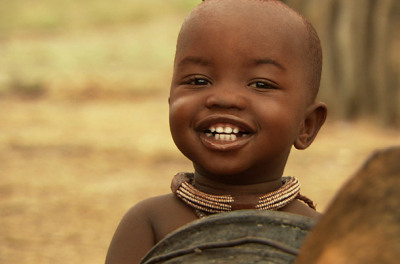
Women in Society The role of women in society can also have a negative impact on maternal mortality rate. In some countries in the region, women are in a position of disadvantage in society leaving them little say in matters regarding their own health or that of their children. Furthermore, surveys have shown that less than a fifth of women use some method of contraception. This is due to both a lack of knowledge about possible contraceptives as well as lack of control over matters regarding family planning.
The role of women in society and within the family also impacts maternal mortality. Given that women often have a lower status in society, giving birth is seen as a rare opportunity for women to display their strength and courage. Those who give birth unassisted are “silently admired” and are thought to bring honour to their husband and their families. In countries such as Uganda, where women often have a lower social status than men, the unique nature of childbearing coupled with community perceptions and cultural expectations were found to have significant bearing on maternal mortality. Increasing Awareness One of the most effective ways to tackle the disproportionate rate of maternal mortality in this region is to increase awareness about how to stay healthy during pregnancy and identify and act upon warning signs of complications that could arise. By training midwives and family members alongside those who are pregnant, the knowledge of how to recognize danger signs will help to reduce maternal mortality. This education needs to be compounded by ensuring that pregnant women are able to have access to antenatal services and care facilities. Since these facilities are often difficult to access for those living in rural settings, more needs to be done to facilitate transportation.
Better access to transportation can reduce maternal mortality rates. While ambulatory care is not often feasible, the establishment of a network of communication amongst volunteers via cell-phones and bicycle ambulances will help ensure that pregnant women have a means by which they can arrive at health facilities to receive treatments in emergency situations. Besides these cellular and ambulatory networks, mobile clinics need to be made accessible to rural locations such that prenatal screening can be provided to those who are unable to make use of other health care facilities. Coordinating mobile clinics such that they include both skilled health care providers and those still in training provides a greater number of people able to provide services. Information exchange is facilitated by including village and community health workers in the framework of these mobile clinics. Conducting information sessions will help create a general awareness about emergencies that may arise during pregnancy and how best to deal with these situations. The biological risks of poor maternal health are not limited to this part of the world, and yet the Great Lakes region of Africa has some of the highest maternal mortality rates in the world. Many of the direct and indirect obstetric causes of maternal mortality are preventable and treatable when dealt with by experienced health care providers. The main priority in reducing maternal mortality is to educate women on pregnancy in general as well as alerting them to abnormalities that may occur and identifying stages at which they should seek professional help. If you would like a printable, downloadable PDF version of this section of the site (Risks of Poor Maternal Health in the Great Lakes Region: Biological Determinants), please feel free to download the document provided below:

For a full, unabridged report on biological determinants of health care in the Great Lakes Region, please help yourself to the following downloadable, printable PDF document:
| ||||
Risks of Poor Maternal Health: Socio-economic Determinants
Poor maternal health in the region of Great Lakes, Africa is a result of several different factors that contribute to the growing threat. Although many of these issues stem from biological mistreatment, the socioeconomic conditions of the region are also crucial in determining whether or not childbirth is a safe journey for these women to undergo.
When looking at the socio-economic barriers in many of the countries within Great Lakes, the three key issues that arise are:
This section looks to clarify these determinants of poor health for the region and poses potential suggestions that would stop socio-economic factors from making maternal health so perilous in Great Lakes.
When looking at the socio-economic barriers in many of the countries within Great Lakes, the three key issues that arise are:
- lack of infrastructure
- poor education throughout the community
- cultural beliefs that cause pregnant women to refrain from seeking proper maternal health
This section looks to clarify these determinants of poor health for the region and poses potential suggestions that would stop socio-economic factors from making maternal health so perilous in Great Lakes.
Lack of Infrastructure The lack of infrastructure in Great Lakes poses multiple problems to maternal health for the women living in this region. As the population continues to grow in many of these impoverished areas, the means of transportation and health care services become less and less accessible to those who need them the most. Without proper roads and transportation vehicles for prenatal women and those going into labour to access, the rates of maternal and infant mortality sky rocket in these regions. For the urban-dwelling residents in areas such as Kenya, Rwanda and Uganda the women are generally living in complete isolation from health care services and therefore do not receive the proper care that they need during pregnancy, which often leads to informal birth settings and prenatal health problems that could have easily been avoided had there been proper access to a health clinic.
The need for increased transportation is directly linked to the lack of health facilities in the region of Great Lakes. Many women in the urban districts of these countries must travel unreasonable distances to access vital health services, making it crucial that both governmental and non-governmental organizations increase the number of maternal health wards per kilometre in these regions. Although these problems of infrastructure may appear to be too numerous and difficult to overcome, there are several solutions that would drastically increase the chances of women in Great Lakes having a healthy childbirth experience. Firstly, an increase in communication between health clinics and urban areas would allow for women to receive the healthcare they desperately need at the proper time before they become at risk of childbirth complications. The simple provision of cell phones to pregnant women in the community would allow for them to contact transportation services and health clinics when they have questions or need immediate care. As for issues of transportation, there are multiple solutions that could eradicate this problem in Great Lakes. Volunteers offering transport vehicles such as motorcycles and ambulatory buses would provide women with safe and fast service to health clinics as oppose to them walking for hours alone to the nearest doctor. Lastly, if there was consolidation between current nongovernmental organizations working on maternal health in Great Lakes there could be the introduction of mobile clinics to this area. This would drastically increase the life expectancy of both the woman and child for urban-dwellers, as health clinics would be far closer and more accessible during pregnancy. Poor Education Throughout Community The improvement of infrastructure in Great Lakes, Africa directly correlates to the lack of education in this area. On the subject of maternal health, many community members simply have not been taught on how to properly care for a female during pregnancy. Studies show that had community members been given the appropriate education on maternal health, they would have been far more accurate and diligent in seeking professional healthcare when needed during pregnancy, as opposed to attempting to go through the process alone.
Additionally, young women have little trust or faith in many community health providers as they have little to no training when it comes to maternal health, leaving women no choice but to go through the pregnancy without the help of a professional. Great Lakes is a region that has gross inequities in wealth, leaving the opportunity for education on this matter both an expensive and inaccessible option for most communities. | As a solution to this determinant of health, a series of practical methods could be applied to these regions in order to provide women with the necessary knowledge on maternal health. Rather than leaving the fate of these women in the hands of professionals who are often too far away to reach, educational packages could be provided to both local health workers and pregnant women that provide information on nutrition, potential biological risks, and what to expect during the different stages of pregnancy.
Furthermore, focus groups and information sessions could be implemented in rural communities so that both men and women further understand the risks of poor maternal health. In the regions where education is significantly low, this information could be given through skits and theatrical methods to inform the population. Cultural Beliefs Cultural beliefs along with socially constructed gender roles create distinct barriers in women receiving proper maternal health. Research has found that many women choose to have a traditional at-home childbirth as this is considered to be the most culturally acceptable way of giving birth, and emphasizes a women’s character as a strong individual.
Additionally, a women’s autonomy can also heavily affect seeking proper healthcare while pregnant. Culturally-based norms of patriarchy in a relationship may affect the female’s choice of how to have her child, as males in this area prefer to maintain traditional practices. Although traditional forms of medicine may be preferred among many men and women in these communities, the current death rates due to maternal-related illness prove that other forms of care need to be instituted in these regions. It is imperative that more modern technology is introduced to these communities in order for childbirth to no longer be a death sentence. As this knowledge is shunned from the community as traditional methods are often preferred, non-governmental organizations working on maternal health must form a community-appropriate dialogue to address the issues of maternal health. Separating cultural beliefs from maternal health directly correlates to increasing education, allowing both of these determinants to be solved with similar techniques and practices. If simple knowledge on this issue can initially be passed on to one or two health workers in a Great Lakes community, it is highly likely that safer and more successful forms of practice will spread on a wider scale which would allow for a significant improvement in maternal healthcare. In summary, the socio-economic determinants of health in Great Lakes, Africa has created significantly large barriers for women seeking proper maternal health. In order for these issues to no longer affect a women’s ability to have a healthy experience while pregnant, several simple yet effective changes must be made in these communities. If the area of Great Lakes can improve their methods of obtaining proper healthcare, along with changing the way that pregnancy is perceived to the majority of the population, poor maternal health can gradually become an issue of the past that no longer affects such a vast majority of women in this region.
If you would like a printable, downloadable PDF version of this section of the site (Risks of Poor Maternal Health in the Great Lakes Region: Socio-economic Determinants), please feel free to download the document provided below:
For a full, unabridged report on socio-economic determinants of health care in the Great Lakes Region, please help yourself to the following downloadable, printable PDF document:
| ||||
Identifying Maternal Health Problems
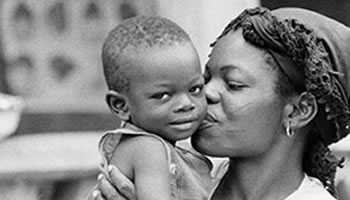
The Great Lakes Region in East Africa has incredibly high rates of maternal mortality. It has a maternal death rate of 505/100,000 live births. There are many reasons for such a high infant mortality rate, but the primary causes are political, social, and structural problems in the region. These problems make it much more difficult for a woman to give birth to a happy, healthy baby. These larger societal problems have everyday implications for pregnant women in the Great Lakes region. It is difficult for women to seek medical care, much less quality medical care. Access to quality care is especially difficult in rural areas because of poor transportation and the fact that health care facilities are few and far between.
It should be noted, however, that many homebirths are not due to lack of hospitals or adequate transportation; it is most frequently due to traditional social and societal factors such as birth being seen as a test of endurance for the mother. Some Rwandan refugees have been diagnosed with depression for being overburdened in their daily life, which could be a result of the dominance of men in these societies. The Rwandan women mentioned also reported depression due to the lack of power over engagement in sexual intercourse with their husbands. The disadvantaged position of many women within their societies and lack of female empowerment regarding reproductive health decisions are important factors contributing to maternal mortality in this region. Social Stigmas are a huge contributing factor to poor maternal health in the Great Lakes region. Not only are there such stigma as birth is a test of endurance for women, as mentioned above, there are also stigmas surrounding quality of care within the actual health facilities; in other words, women, understandably, often do not trust the facilities as there is often a shortage of skilled primary health care workers. Patient abuse, neglect, and lack of general understanding are all reasons why women may avoid going to a hospital in the Great Lakes region. Special care should be given to rural women who have less access to education and may be especially wary of medical practitioners, rather than being discriminated for their ignorance. For example, rather than health workers in these facilities treating the refugee women in Rwanda badly because they happen to be ignorant on subjects the health workers feel they should know about, as has been reported, the health workers could be educated to educate the women, and work with them to reduce, for example, their uncertainty and confusion about birth control. This would help to reduce abortions and their frequent complications when done at home. While facility health workers are often not ideal, homebirth methods are even more dangerous as they simply have meager means of assistance and knowledge. An investigative study looking into the leading causes of infant mortality in Uganda has identified hemorrhage (42.2%) and abortion (38.9%) as the top two reasons for high Maternal Mortality Rates (MMR). Furthermore, 87.4% of indirect maternal mortality is caused by malaria, so it too is a high priority when considering prevention measures addressing MMR’s in the Great Lakes region. In many cases, the infant or mother dies due to lack of education, especially in rural areas. In these remote regions, locals are often unable to read the signs of common maternal problems which lead to preventable deaths. It is often the case that these MMR’s could have been avoided through simple and common procedures such as blood transfusions if only it was accessible. Other related causes of maternal mortality in the Great Lakes are broadly identified as:
Availability of emergency obstetric services in these Great Lakes countries was well below the level recommended by the United Nations. A shortage of skilled health professionals, inadequate infrastructure, cost of treatment and poor access to drugs are also among the many challenges limiting women’s access to essential maternal care in Uganda and presumably in other countries in the Great Lakes Region. | The Health Sector Strategic Plan (HSSP) and the Reproductive Health Strategy in Uganda have these three suggestions for address high MMR’s in the Great Lakes Region:
Mobile Clinic The mobile clinic can also help to address other health issues in the area such as assisting HIV prevention. Education will be addressed as well through the mobile clinic, focusing on education about family planning and gender equality. The system seeks to attempt to accomplish this by travelling to remote areas and educating village health workers, as well as promoting awareness in communities. The mobile clinic will also seek to increase emergency communication by developing emergency cell phone numbers for villages. Furthermore, the clinic will encourage community self-sufficiency by promoting initiatives such as community bicycle ambulances.
A very important issue which the mobile clinic will address is the fact that doctors and hospitals are too few and far apart in rural areas, making access to a doctor for rural peoples in the Great Lakes Region very difficult. The lack of public health resources and access and affordability of medication hinders the prevention of many complications in pregnancy, resulting often in morbidity. One classic ‘difficult-to-treat’ problem for a village health worker is hemorrhage after home births. This type of problem shows how efficient a solution a mobile health clinic would be when investigating inexpensive treatments. Post-partum hemorrhage can frequently be treated for a low cost using a 1000 µg prescription of misoprostol. This drug can reduce the risk of hemorrhage even without the presence of a skilled birth attendant. Recognizing that there will not always be a trained health worker available, a major focus of the mobile clinic would be a teach-the-teacher method for the average villager to increase empowerment and assure that people are simply aware of the signs, symptoms and potential interventions for maternal health complications. By using some of the simple methods that are laid out in David Werner’s Where There Is No Doctor, locals will have a much better understanding of what signs to look out for. Some of the indicators of poor maternal health outlined by Werner include:
The importance of the training of the village health worker is maintained by a successful project in the Great Lakes region in which traditional birth attendants were trained to improve their delivery assistance skills and recognize when referrals to emergency obstetric services were necessary. In this example maternal mortality was significantly reduced. The findings emphasized the important role and potential impact of trained traditional birth attendants in reducing maternal mortality in the Great Lakes region.
With the mobile clinic program many direct and indirect maternal health risks in the Great Lakes region will be addressed. General health promotion will be furthered through education and the education could be far spread due to the portable quality of the system. Focusing on emergency cell phone numbers and village ambulances will also help to counter the prevalence and ignorance of common ways to spot maternal health dangers. Awareness of such indicators as signs of pre-eclampsia and anemia will be addressed, and knowledge of malaria treatment and general well-being will be promoted as indirect concerns of maternal health. If you would like a printable, downloadable PDF version of this section of the site (Identifying Maternal Health Problems in the Great Lakes Region), please feel free to download the document provided below:
For a full, unabridged report on identifying maternal health problems in the Great Lakes Region, please help yourself to the following downloadable, printable PDF document:
| ||||
Emergency Procedures Checklist
To download a copy of the emergency procedures checklist, you can find it listed below in PDF format. To view the complete checklist in simple text format, please click HERE.
| emergencyprocedureschecklist.pdf |
...

